Safe Sleep Essentials: Napping Guidelines for Infant Safety
Essential Guidelines for Infant Sleep Safety

Ensuring the safety of young children during sleep is a critical concern for parents and caregivers. Safe sleep practices are designed to reduce the risk of Sudden Infant Death Syndrome (SIDS) and promote a secure sleeping environment for infants. This comprehensive guide will detail recommended sleep positions, creating a safe sleep setting, and understanding naptime routines, all while addressing common parental concerns regarding sleep-related risks. By following these guidelines, caregivers can create a nurturing space that prioritizes infant safety and well-being.
What Are the Recommended Infant Sleep Positions to Ensure Safety?
The sleep position of an infant plays a crucial role in minimizing the risk of SIDS. According to experts, placing babies on their backs to sleep is the most effective way to prevent this tragic occurrence. Research indicates that back sleeping significantly reduces the likelihood of SIDS due to improved airflow and reduced chances of suffocation. Additionally, parents should be aware of how various sleep positions can affect their child's comfort and breathing patterns, ensuring a restful sleep experience.
Why Is the Back Sleep Position Preferred for Reducing SIDS Risk?
The back sleep position is preferred for infants primarily because it significantly lowers the risk of SIDS. Studies have shown that babies who sleep on their stomachs or sides face an increased risk of suffocation and lack of proper airflow, which can lead to fatal outcomes. According to pediatric guidelines, putting infants to sleep on their backs is a fundamental preventive measure against SIDS, ensuring they remain safe during their crucial developmental stages.
Infant Sleep Position: Reducing SIDS Through Back-to-Sleep Campaigns
1. Avoidance of the prone sleeping position is considered an important factor contributing to the decline in the incidence of sudden infant death syndrome (SIDS).2. To determine infant sleep positioning practices and SIDS awareness before and after a hospital-based Back to Sleep campaign.3. Two consecutive samples of 250 mothers of healthy infants younger than 6 months old born in and attending the outpatient clinics of the hospital before and after the intervention.4. Specific policies promoting Back to Sleep were established in our newborn nursery and outpatient department. Reduction in prone infant sleep positioning was the primary outcome measure. Increased parental SIDS awareness was a secondary outcome. Infant sleep position and SIDS: a hospital-based interventional study, 1999
How Do Sleep Positions Affect Breathing and Comfort in Babies?
Understanding how sleep positions affect breathing is vital for creating a safe sleep environment. Research has revealed that infants placed on their backs experience more open airways, which minimizes the risk of breathing difficulties during sleep. Conversely, babies who sleep on their stomachs may experience increased pressure on their chest, potentially impeding proper breathing patterns. The choice of sleep position directly influences both comfort and safety, making adherence to expert recommendations essential for every caregiver.
Discover Supportive Resources at Little Lords and Ladies Learning Academy
If you're seeking expert guidance and a nurturing environment for your child's early development, Little Lords and Ladies Learning Academy offers dedicated programs that prioritize safe sleep practices and overall well-being.
Explore how our Orlando preschool can be part of your family’s journey today.
How Can You Create a Safe Sleep Environment for Your Baby?

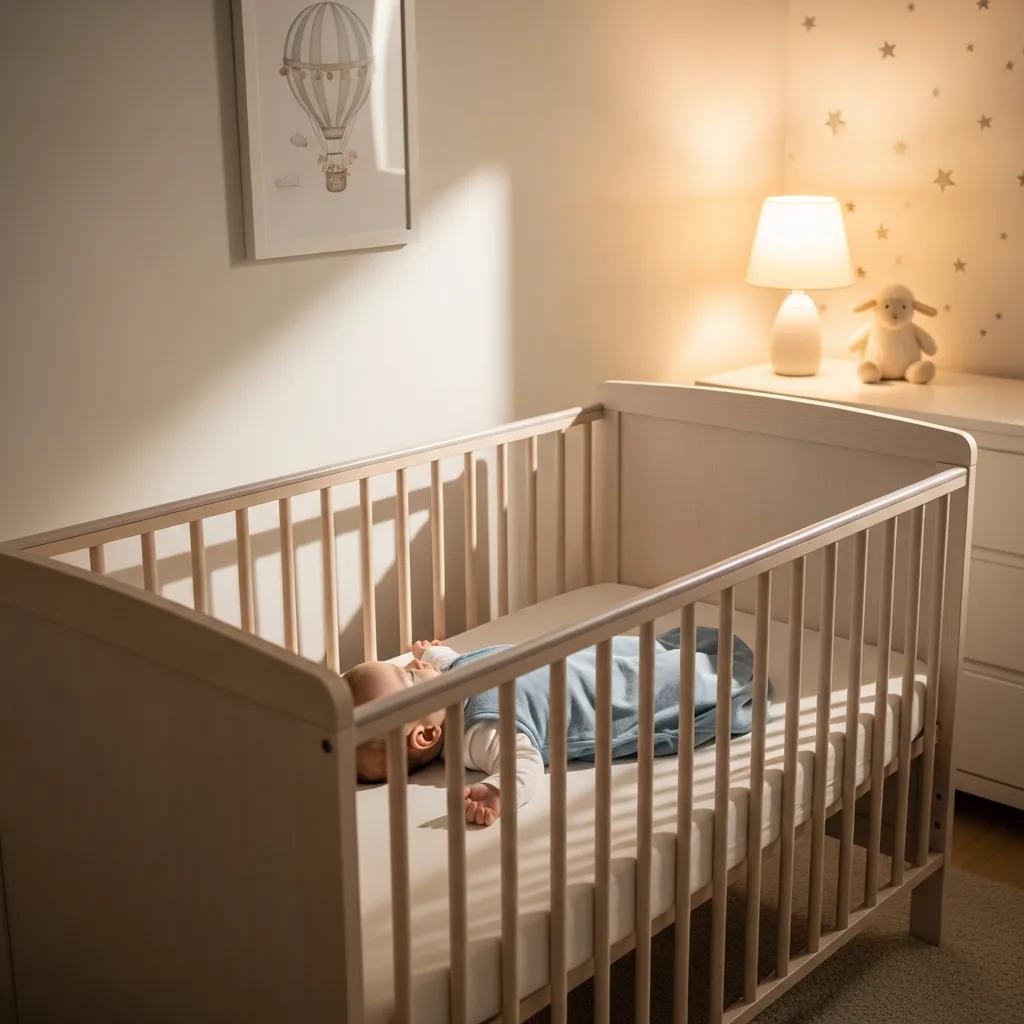
Creating a safe sleep environment necessitates thoughtful preparation and observation. Caregivers should ensure the baby's sleep area is free from soft bedding, toys, and potentially suffocating materials. A firm mattress coupled with a fitted sheet provides the best sleeping surface for infants. Moreover, adhering to established crib safety standards is paramount for ensuring that cribs are sturdy, compliant with safety regulations, and free from hazards.
What Bedding and Crib Standards Should Parents Follow?
Parents should familiarize themselves with crib and bedding standards established by safety organizations. Cribs must meet current safety regulations, including ensuring the slats are no more than 2 3/8 inches apart to prevent entrapment. Recommended bedding materials include breathable fabrics that are hypoallergenic and free from harmful chemicals. Adhering to these standards can help prevent accidents and create a secure sleeping space for infants.
Why Is Room-Sharing Without Bed-Sharing Recommended for Infants?
Room-sharing without bed-sharing is recommended to maintain a safe sleeping arrangement while still allowing close proximity to the baby. This arrangement encourages bonding and facilitates easier nighttime feedings. However, caregivers are cautioned against bed-sharing, which increases the risk of accidental suffocation or falls. By keeping the infant’s crib or sleep space alongside the parent's bed, both safety and convenience can be achieved.
What Are Age-Appropriate Naptime Guidelines and Routines for Toddlers?
Establishing age-appropriate naptime guidelines is essential for supporting healthy development in toddlers. Sleep needs vary significantly with age; younger toddlers typically require longer naps as their bodies undergo significant growth and development. It is essential for parents to observe their child’s sleep patterns to develop a consistent naptime routine that aligns with their developmental stage.
How Long Should Toddlers Nap to Support Healthy Development?
Toddlers generally need between 1 to 3 hours of naptime during the day, depending on their age and activity level. Younger toddlers, aged 1 to 2 years, usually require longer naps as they tend to be crankier and more fatigued if they don't get enough rest. Recognizing the appropriate nap lengths can greatly enhance a child's overall development and behavior.
What Establishes a Safe and Consistent Naptime Routine?

A safe and consistent naptime routine involves creating a predictable environment where toddlers can relax and unwind. Key steps include establishing a calming pre-nap routine, such as reading a book or playing soft music, followed by a consistent naptime schedule. Consistency helps signal to the child when it is time to rest, fostering a sense of security and promoting better sleep habits.
Which Sleep-Related Risk Factors Should Parents Be Aware of and How Can They Prevent Them?
Parents must be aware of various sleep-related risk factors to safeguard their infants effectively. Common risks include environmental factors, sleep position, and product safety. By being vigilant and informed, caregivers can take proactive measures to mitigate these risks, such as maintaining a clean sleep environment and ensuring that all sleep products meet safety standards.
What Environmental and Product Toxins Can Impact Infant Sleep Safety?
Environmental toxins can negatively affect an infant's sleep safety. Common sleep hazards include exposure to secondhand smoke, chemical fumes from cleaning products, and allergens present in bedding. Parents can limit these risks by ensuring proper ventilation in the baby's sleep area and using non-toxic, hypoallergenic materials for bedding and sleep products.
How Does Using a Pacifier Reduce the Risk of Sudden Infant Death Syndrome?
Using a pacifier during sleep has been shown to reduce the risk of SIDS. Research suggests that pacifiers help keep the baby's airway open, promoting better airflow and lower risks of suffocation. Additionally, studies indicate that the act of sucking on a pacifier may aid in maintaining alertness during sleep cycles, providing an additional layer of protection for infants during vulnerable sleeping periods.
How Do You Choose Safe Sleep Products and Understand Certification Standards?
Selecting safe sleep products requires understanding certification standards and recognizing essential features that promote infant safety. Parents should examine labeling and product descriptions to ensure compliance with established safety regulations, choosing items that emphasize both quality and safety.
What Certifications and Features Should Safe Cribs and Sleepwear Have?
When choosing cribs and sleepwear for infants, parents should look for products that adhere to safety certifications established by recognized authorities, such as the Consumer Product Safety Commission (CPSC). Features such as adjustable mattress heights, sturdy construction, and non-toxic finishes are crucial indicators of product safety.
How Can Parents Verify Sleep Product Safety and Avoid Recalls?
Parents can stay informed about product recalls and safety notices through resources like the CPSC website and consumer safety alerts. Regularly checking for updates on purchased items ensures parents remain knowledgeable about potential hazards and can act promptly should any issues arise with sleep products.
What Practical Tips and Monitoring Techniques Help Parents Support Safe Sleep Habits?
To foster safe sleep habits, parents can adopt practical tips and monitoring techniques that promote vigilance and awareness of their child's sleep environment and safety. Understanding how to monitor sleep and recognize warning signs can prevent dangerous situations.
How Can Parents Monitor Infant Sleep for Safety and Comfort?
Parents can utilize both technology and traditional monitoring techniques to ensure their infant's sleep safety. Baby monitors with video capabilities allow caregivers to keep a close eye on their child from another room, while traditional sound monitors can alert them to disturbances. Additionally, regularly checking the baby's sleeping position and overall comfort are crucial for ensuring a safe sleep environment.
What Are Key Signs That Indicate an Unsafe Sleep Environment?
Recognizing signs of an unsafe sleep environment is vital for preventing accidents. Concerns such as sudden changes in breathing patterns, excessive fussiness, or difficulty falling and staying asleep may indicate that the sleeping environment is not optimal. Caregivers should be vigilant and ready to adjust bedding, room temperature, or sleep positioning to maintain a secure sleeping space for their infants.
Learn More About Our Academy
At Little Lords and Ladies Learning Academy, we prioritize safe sleep practices as part of our commitment to infant and toddler care. Parents trust our Orlando preschool because we integrate safety into every program, including our early preschool program for ages 2-3. Learn more about our academy and how we support your child's wellbeing from the very beginning.
Schedule a Tour of Little Lords and Ladies Learning Academy
Discover how our safe, nurturing, and educational environment can support your child's development by visiting our facility. Experience firsthand the programs and care we provide that set us apart.