Music Enrichment and Early Instruction
Preschool Music Programs: How Music Enrichment Boosts Early Childhood Learning
By Meralis Acevedo, Little Lords and Ladies Learning Academy
Music enrichment plays a key role in early childhood, giving preschoolers cognitive, emotional, and social benefits that help them learn. In structured music programs, children enjoy musical experiences and pick up skills that prepare them for future learning. Below we explore music’s advantages, the kinds of activities you’ll find in preschool classes, how to enroll in Orlando, and what parents can expect so you can make informed choices for your child.
What Are the Benefits of Music in Early Childhood Development?
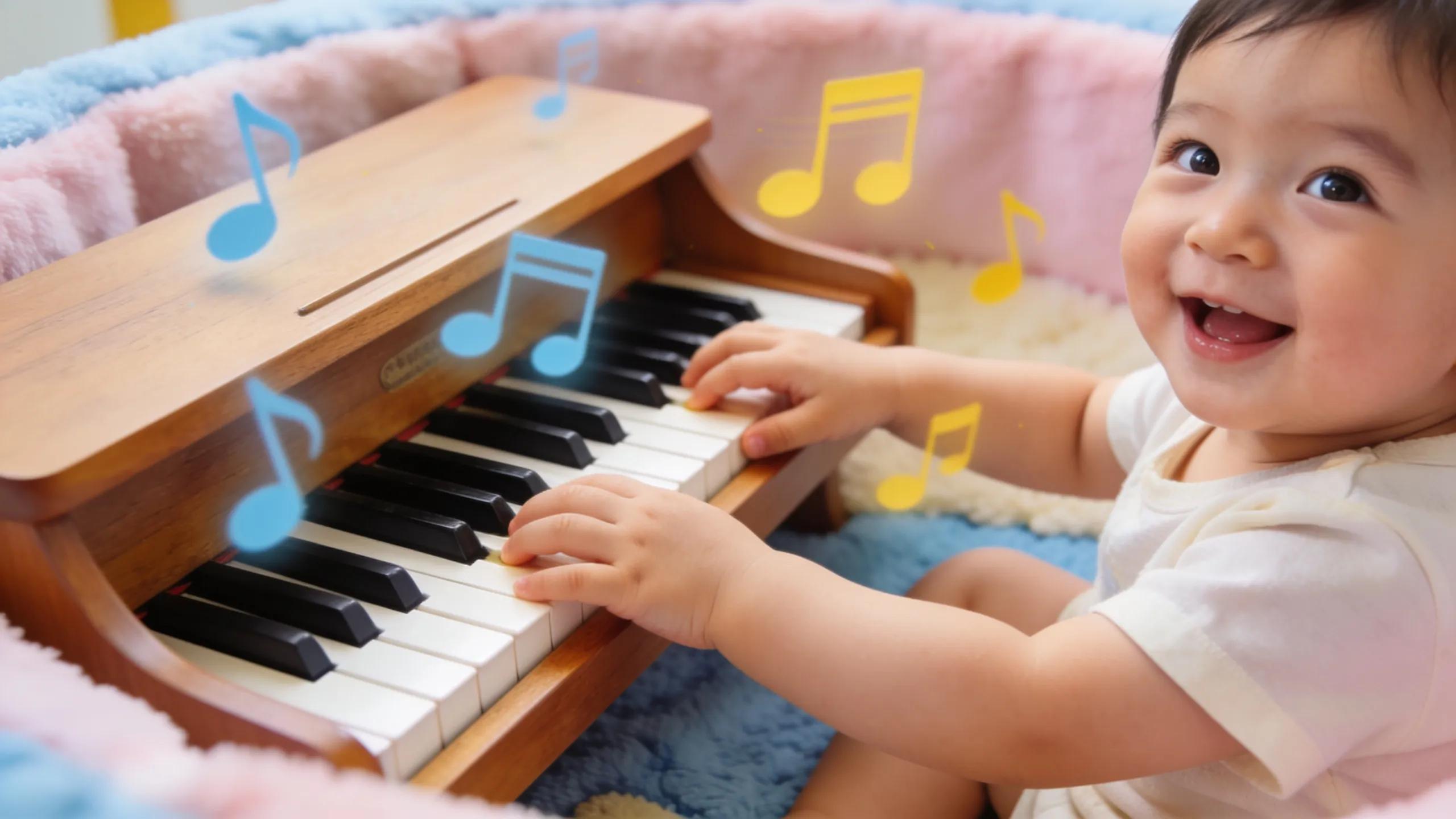
Music is a big part of early development. It helps the brain, supports social growth, and boosts emotional skills. Studies show music exposure helps language learning, memory, and social ability. Adding music early on can lead to lasting benefits for a child’s learning.
How Does Music Support Brain and Language Development in Toddlers?
Music helps build the brain connections that support thinking and language. Rhythm and melody teach pattern recognition and give kids a natural way to hear language. Singing and rhythm games sharpen listening, pronunciation, and vocabulary, helping children become better communicators early on.
What Social Skills Do Kids Gain from Early Music Enrichment?
Joining music classes helps kids learn teamwork, sharing, and communication. Group songs and activities create chances to make friends and practice cooperation. Working together to make music builds belonging and supports emotional growth.
Which Music Activities Are Included in Preschool Music Enrichment Classes?
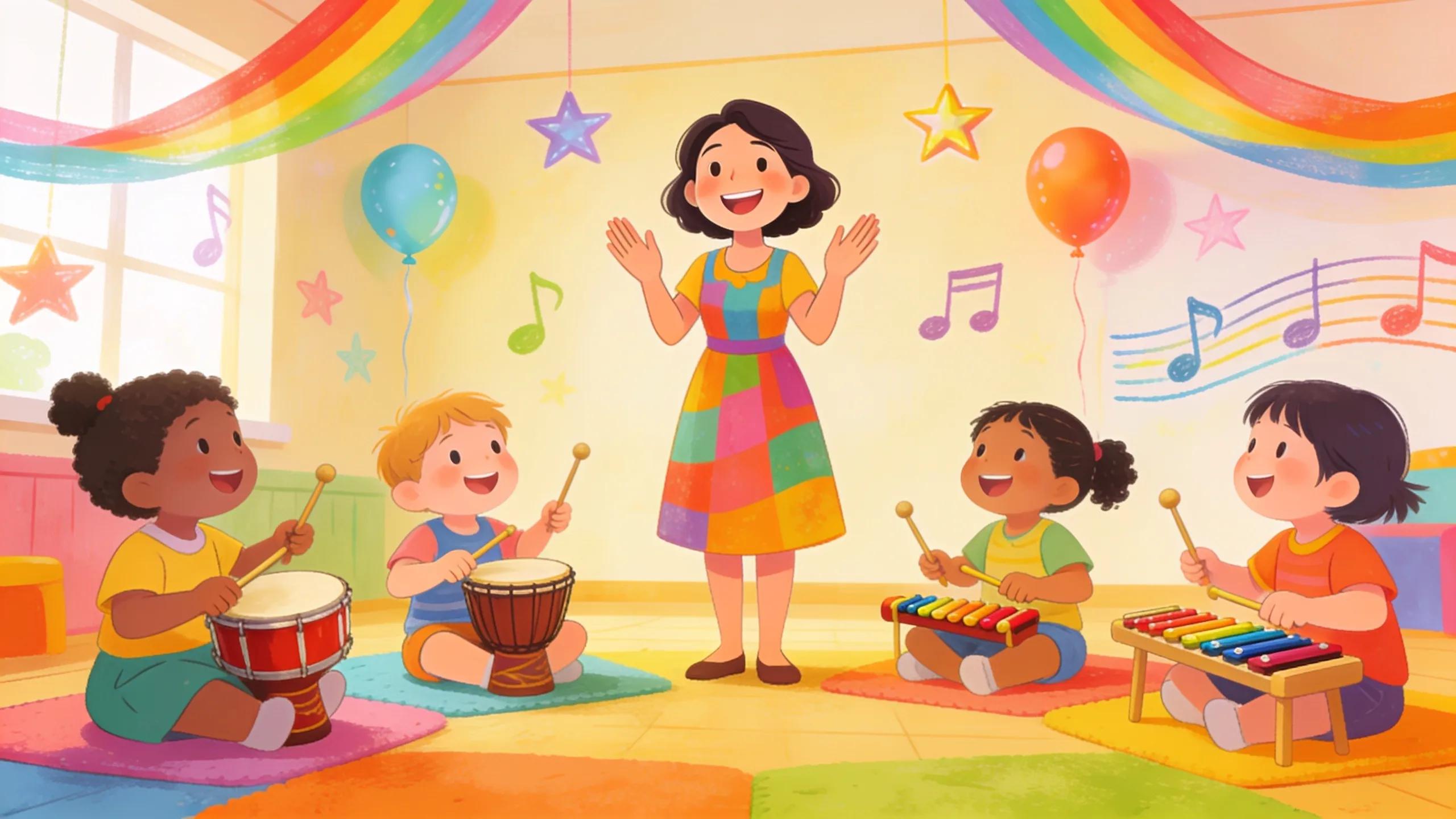
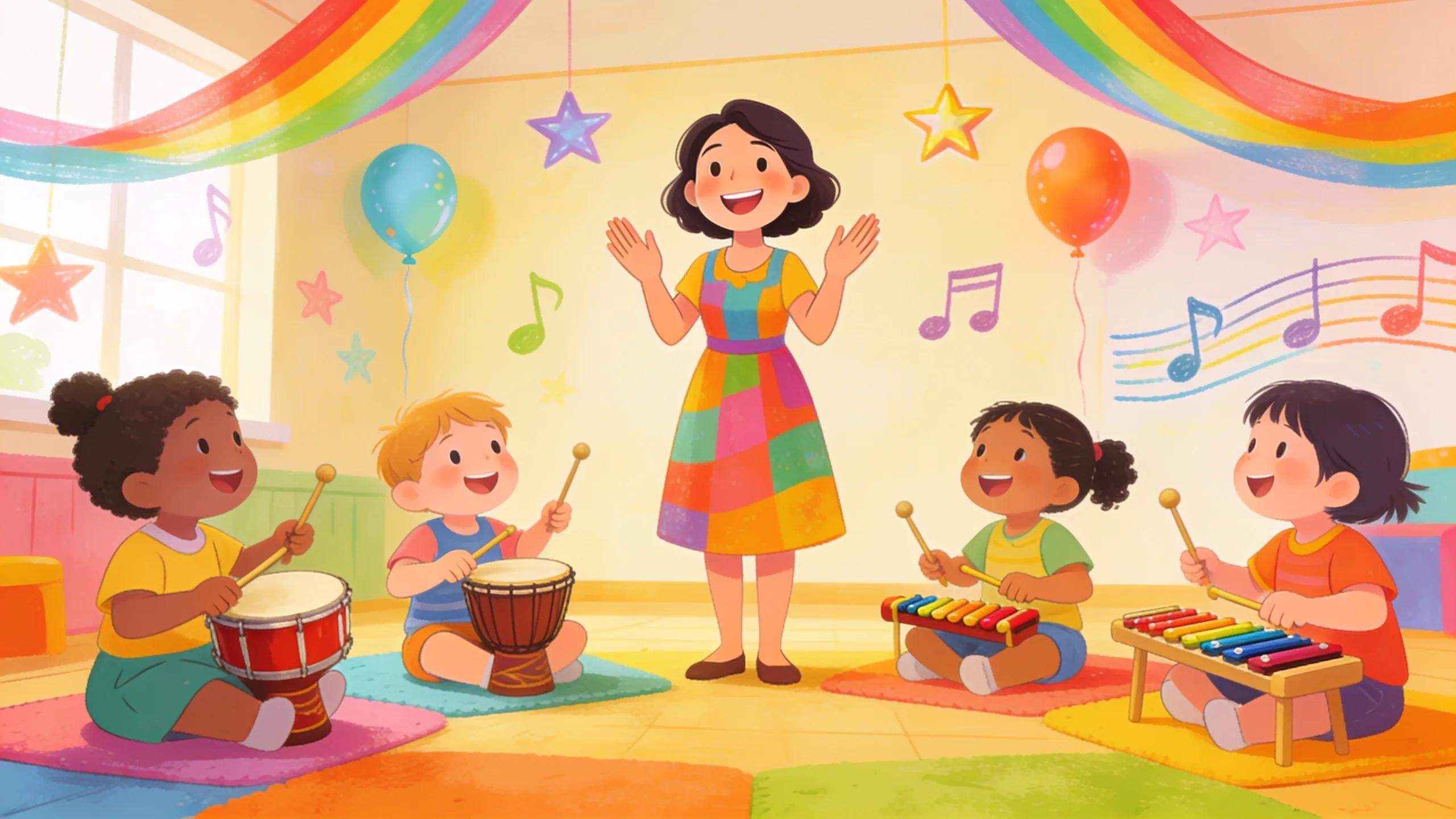
Preschool music classes usually include singing, simple instruments, movement, and interactive games. Each activity boosts musical skills and supports other areas of development, such as coordination and language.
What Types of Music Games and Exercises Help Toddlers Learn?
Toddlers learn a lot through fun music games. Popular activities include:
- Rhythmic Clapping: Encourages coordination and rhythm recognition.
- Singing Along: Enhances language skills and memory through repetition.
- Movement Games: Teaches spatial awareness and motor skills as children dance to music.
These activities spark an interest in music and help both thinking and physical skills develop.
How Is Music Integrated into Daily Preschool Curriculum?
Teachers weave music into the daily schedule to support lessons across subjects. For example, they'll use songs for storytelling, bring music into sensory play, and pair movement with music to boost motor skills.
- Support Storytelling: Incorporate songs that align with narrative themes, making the stories more engaging.
- Sensory Play: Utilize songs and music during sensory exploration to create an immersive learning environment.
- Motor Skill Development: Integrate music and movement to enhance physical activity, improving coordination and rhythm.
When music is part of daily lessons, kids get a fuller learning experience that encourages creativity and critical thinking.
How Can You Enroll Your Child in Music Enrichment Preschool Programs in Orlando?
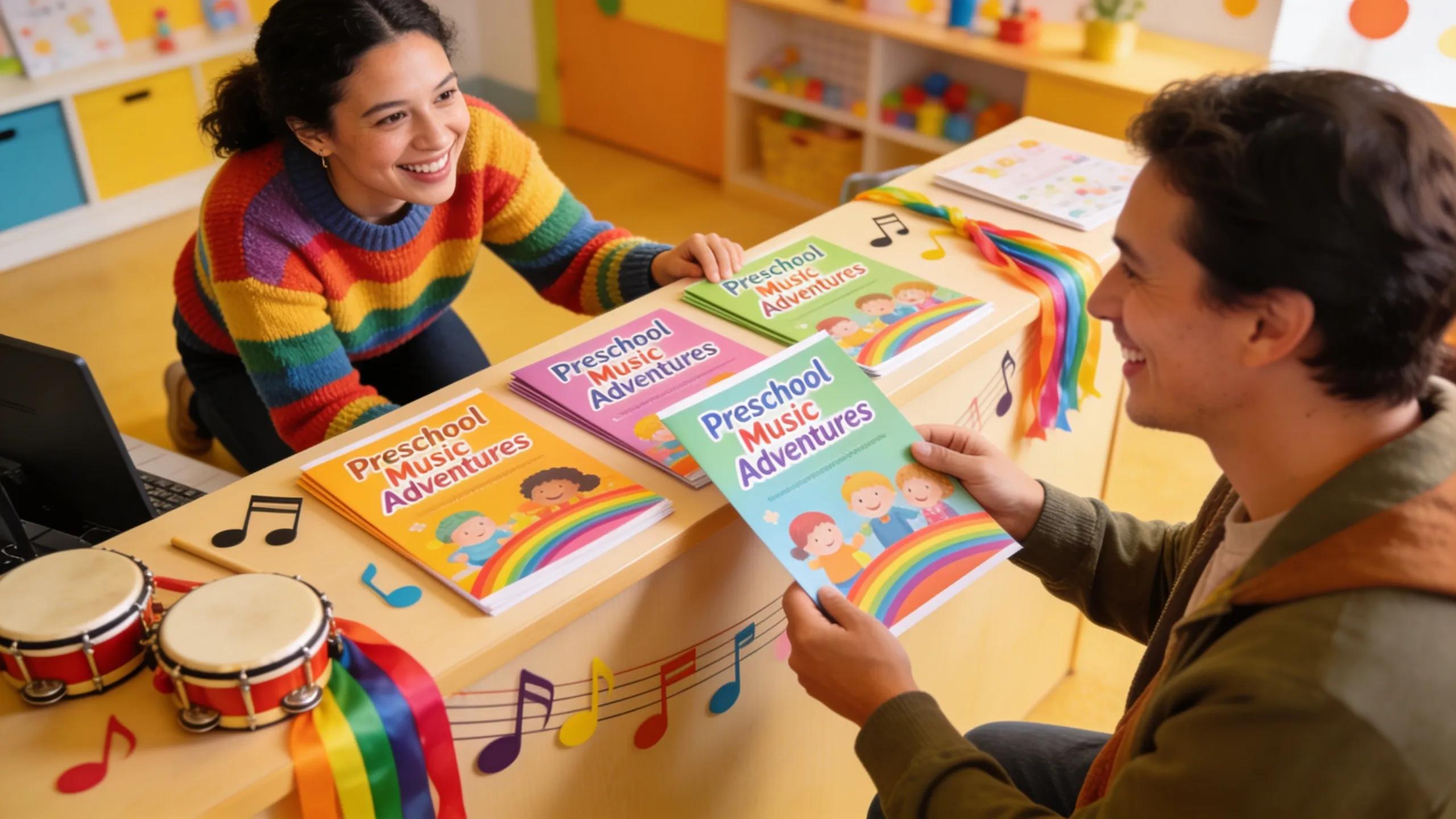
Signing up is straightforward. Many Orlando preschools offer structured music programs that nurture children’s musical skills as part of their development.
What Are the Steps to Register for Kids Music Classes at Little Lords and Ladies Academy?
To register at Little Lords and Ladies Academy, follow these steps:
- Initial Inquiry: Contact the academy to learn about available programs.
- Complete Required Forms: Fill out registration forms including necessary personal details.
- Submit Payment: A tuition payment covering one week's tuition is needed upon registration, alongside a non-refundable registration fee of $100.
If you complete the paperwork and payments promptly, you’ll secure a spot for your child in these classes.
What Should Parents Expect from Preschool Music Programs in Orlando?
You can expect a warm, supportive setting that focuses on whole-child development. Programs aim to nurture creativity, build social skills, and boost cognitive growth through a range of musical experiences for well-rounded learning.
What Do Parents Say About Music Enrichment Classes for Their Preschoolers?
Parents often share positive feedback, noting clear progress in communication and social skills. Many appreciate the mix of structure and fun that helps their children learn and grow.
How Have Music Programs Impacted Children’s Development According to Families?
Families report that music programs improve behaviour and social development. Kids gain confidence in group performances and show more enthusiasm for learning new skills, which highlights the value of arts in early education.
Why Do Parents Recommend Little Lords and Ladies Learning Academy’s Music Classes?
Parents recommend the academy because instructors focus on individual attention and community building. Teachers create a nurturing space for each child’s musical journey, offering personalised learning that families find meaningful and long-lasting.
Frequently Asked Questions
1. What age group is suitable for preschool music programs?
These programs usually suit children aged 2 to 5. That age range is key for hitting early milestones because kids learn quickly. Music helps toddlers explore creativity, boost communication, and build social skills. Choose a program that matches your child’s age for the best fit.
2. How often should children participate in music classes?
Once or twice a week works well for most children. It keeps them engaged without overwhelming them, and regular attendance helps reinforce what they learn. Still, the right schedule depends on your child and your family’s routine, so stay flexible.
3. Are there specific instruments that preschool children should learn?
Preschoolers usually start with simple instruments like tambourines, maracas, or xylophones. They’re easy to play and teach rhythm and melody without complex technique. As kids grow, they can be introduced to more advanced instruments.
4. How do music programs cater to children with special needs?
Many programs are inclusive and adapt activities for children with special needs. Music can aid communication and expression, and teachers often use visual aids, slower pacing, or one-on-one support so every child can join in and benefit.
5. What qualifications should preschool music educators have?
Ideally, music educators have a background in early childhood education plus music training. Degrees or certifications in child development, teaching, or music are helpful. Experience with young children and a real passion for music make classes lively and engaging.
6. Can parents participate in music classes with their children?
Yes—many programs welcome parents, especially for younger kids. Joining in boosts learning and bonding. Some classes include specific parent-child sessions to encourage connection while you learn together.
7. How can music programs support children's emotional well-being?
Music gives children a safe way to express themselves and be creative. It helps them process feelings, build resilience, and learn coping skills. Group music also creates a sense of belonging, which can reduce anxiety and support emotional health.