Key Preschool Curriculum Trends You Need to Know for 2026
Current Trends in Early Childhood Education: What You Need to Know About Play Based Learning and Academic Readiness
By Meralis Acevedo, Little Lords and Ladies Learning Academy
Trends in early childhood education keep shifting, and play-based learning is getting a lot of attention because it supports the whole child. This article walks through the trends shaping early education, shows why play-based approaches matter, and explains how academic readiness programs are changing. You’ll find practical insights for parents—especially in Orlando—on blending playful exploration with structured learning to help children build the skills they’ll need later on.
What Are the Key Benefits of Play Based Learning in Today’s Preschools?
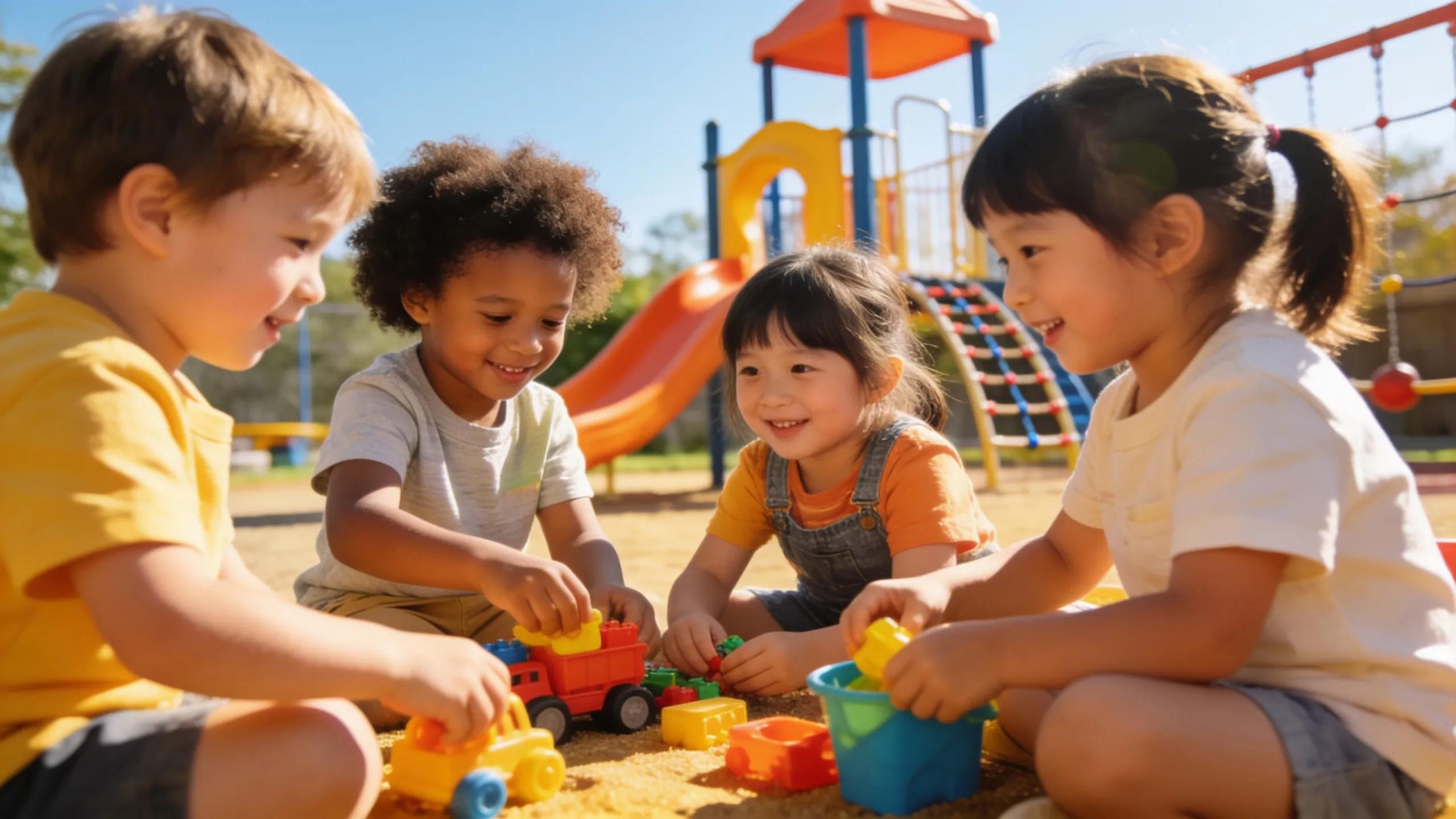
Play-based learning helps children learn by doing, exploring and pretending. It supports thinking, emotions and social skills in ways that feel natural to kids. Studies show kids in these settings are more engaged and curious, which often helps them move into formal school with stronger learning habits.
Here are the main benefits of play-based learning:
- Social Development: Through cooperative play, children learn to communicate, share, and negotiate with others, laying the groundwork for effective social interaction in later life.
- Emotional Development: Play acts as a safe space for children to express their emotions, helping them manage feelings such as frustration and excitement in constructive ways.
- Cognitive Development: Engaging in play stimulates critical thinking skills and problem-solving abilities as children navigate various challenges and scenarios during their playtime.
- Physical Development: Active play enhances motor skills and coordination, contributing to overall physical health and well-being.
- Creativity and Independence: Children are encouraged to use their imaginations, which fosters creativity and allows them to take initiative and lead their learning experiences.
Why Is Play Based Learning Popular in Orlando Preschool Programs?
Play-based learning is popular in Orlando because it taps into kids’ natural curiosity while still meeting key developmental goals. Its focus on hands-on exploration fits a wide range of learners and helps children grow in several areas at once.
Here’s why this approach works well:
- Nurturing Curiosity: Children are instinctively curious, and play-based learning capitalizes on this trait to encourage discovery and exploration.
- Social and Emotional Development: As children interact during play, they develop essential social skills, fostering connections and empathy among peers.
- Cognitive Skills: Engaging in guided play encourages critical thinking and cognitive growth, important for success in early education.
- Physical Development: Play often incorporates movement, supporting gross and fine motor skills development in young children.
- Holistic Approach: This method caters to the overall growth of the child, balancing emotional, social, and cognitive learning experiences.
How Are Preschool Academic Readiness Programs Evolving in 2026?
By 2026, preschool readiness programs are shifting toward balance—mixing play with focused academic skills. The goal is to prepare children for later learning without pushing them past where they naturally are in their development.
How Do Academic Curriculum Models Compare to Play Based Approaches?
Both approaches have clear roles. Academic models use structure and measurable goals. Play-based models use hands-on experiences and curiosity-driven learning. Each supports different skills, and together they give children a broader foundation.
| Curriculum Model | Focus Area | Long Term Benefits |
|---|---|---|
| Structured Academic Curriculum | Early literacy and numeracy | Strong foundational skills for academic success |
| Play Based Learning | Exploration and creativity | Enhanced problem solving and independence |
That comparison shows why mixing elements from both models can help children get a balanced start—academic skills plus the creativity and problem solving that come from play.
What Are the Latest Innovations in Early Childhood Curriculum Models?
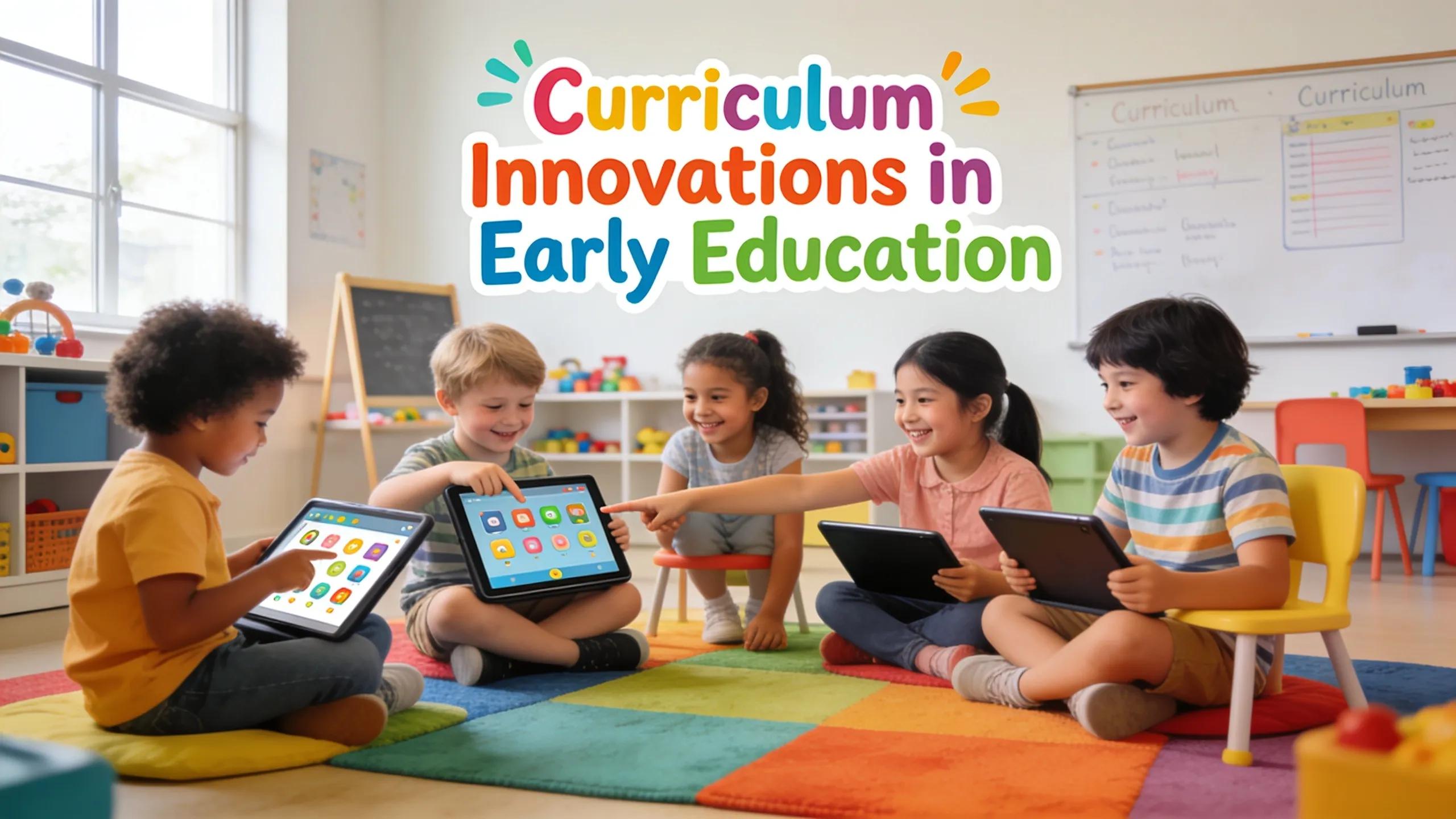
New curriculum ideas are bringing research and technology into the classroom while keeping inclusion front and center. The aim is to use tools that boost engagement without replacing hands-on learning.
Key innovations include:
- Latest Research: Recent studies confirm the benefits of merging digital tools and play-based learning for optimal child engagement.
- Integration of Technology: Classrooms are increasingly utilizing educational technology, such as interactive apps and digital storytelling, to complement hands-on activities.
- Emphasis on Inclusive Education: Curriculums that adapt to diverse learners ensure that every child receives the support needed for their unique learning challenges.
How Is Technology Influencing Preschool Learning Today?
Technology is playing a bigger role by offering interactive resources that match different learning styles. Used well, digital tools can make lessons more engaging and give teachers more ways to support each child.
- Digital Tools Enhancing Learning: Interactive software allows children to explore subjects at their own pace, facilitating independent learning.
- Online Resources for Parents: Access to parent-focused platforms enhances involvement in their child's education, helping them support learning at home.
- Impact on Engagement: Utilizing technology captures students' attention, helping to connect lessons to familiar experiences in their lives.
How Can Orlando Parents Find the Right Preschool Program?
Picking a preschool in Orlando is a big choice. Knowing the current trends can help you spot programs that fit your child’s needs and your family’s priorities.
When you’re looking, consider these factors:
- Curriculum Offerings: Seek programs that balance play-based and structured academic learning.
- Teacher-Child Relationships: Evaluate how educators foster connections with children, as this influences social and emotional development.
- Social-Emotional Focus: Prioritize preschools that emphasize social skills and emotional well-being alongside academic preparedness.
How Do Accredited Orlando Preschools Meet Current Education Trends?
Accredited preschools in Orlando are updating their practices to reflect current research and quality standards. They aim to meet state benchmarks while giving children rich, developmentally appropriate learning experiences.
- Adherence to Local Standards: Accreditation ensures that preschools maintain quality and educational standards aligned with community expectations.
- Effective Teaching Methods: Teachers are trained to implement developmentally appropriate practices that foster active learning.
- Community Engagement: Accredited preschools often collaborate with local resources to incorporate community values and knowledge into their curricula.
Use these insights to help you choose a preschool that supports your child’s whole development—so they’re ready for the next step and for lifelong learning.
Frequently Asked Questions
1. What role does parental involvement play in play based learning?
Parental involvement makes play-based learning stronger. When you join in or provide materials, it reinforces the ideas kids explore at school. Talking with teachers and staying up to date with the curriculum also helps you support learning at home and build a consistent environment for your child.
2. How can I assess if a preschool uses effective play based learning strategies?
Watch the classroom and talk to teachers. Look for lots of hands-on, sensory and creative activities. Ask how lessons are planned and how they track each child’s growth. Parent reviews and talking with other families can give you useful clues too.
3. Are there specific age groups that benefit more from play based learning?
Play-based learning is especially powerful for ages 3–5, when children naturally learn by exploring. But it can be adapted for older kids as well—helping with problem solving, creativity and teamwork through the early elementary years.
4. How do play based learning and standardized testing intersect?
There’s some tension between play-based learning and standardized tests. Tests measure specific skills, while play focuses on broader development. Educators are increasingly using observational assessments to capture skills like problem solving and critical thinking that come from play, alongside traditional measures.
5. Can technology be integrated into play based learning effectively?
Yes—if it supports exploration rather than replacing hands-on play. Educational apps, interactive games and digital stories can boost engagement and offer new ways to learn. The key is to combine digital tools with real-world activities so play stays central.
6. What are some common challenges faced in implementing play based learning?
Challenges include aligning play with state standards, some parents preferring traditional methods, and limited resources for materials. Teachers may also need more training to balance play and academic goals. Addressing these issues means professional development, clear parent communication and policy support.
7. How can parents support play based learning at home?
You can help by creating a playful space with open-ended toys, art supplies and outdoor options. Play with your child, ask open-ended questions, and let them take the lead. A simple routine that includes time for free play and family activities will reinforce what they learn at preschool.