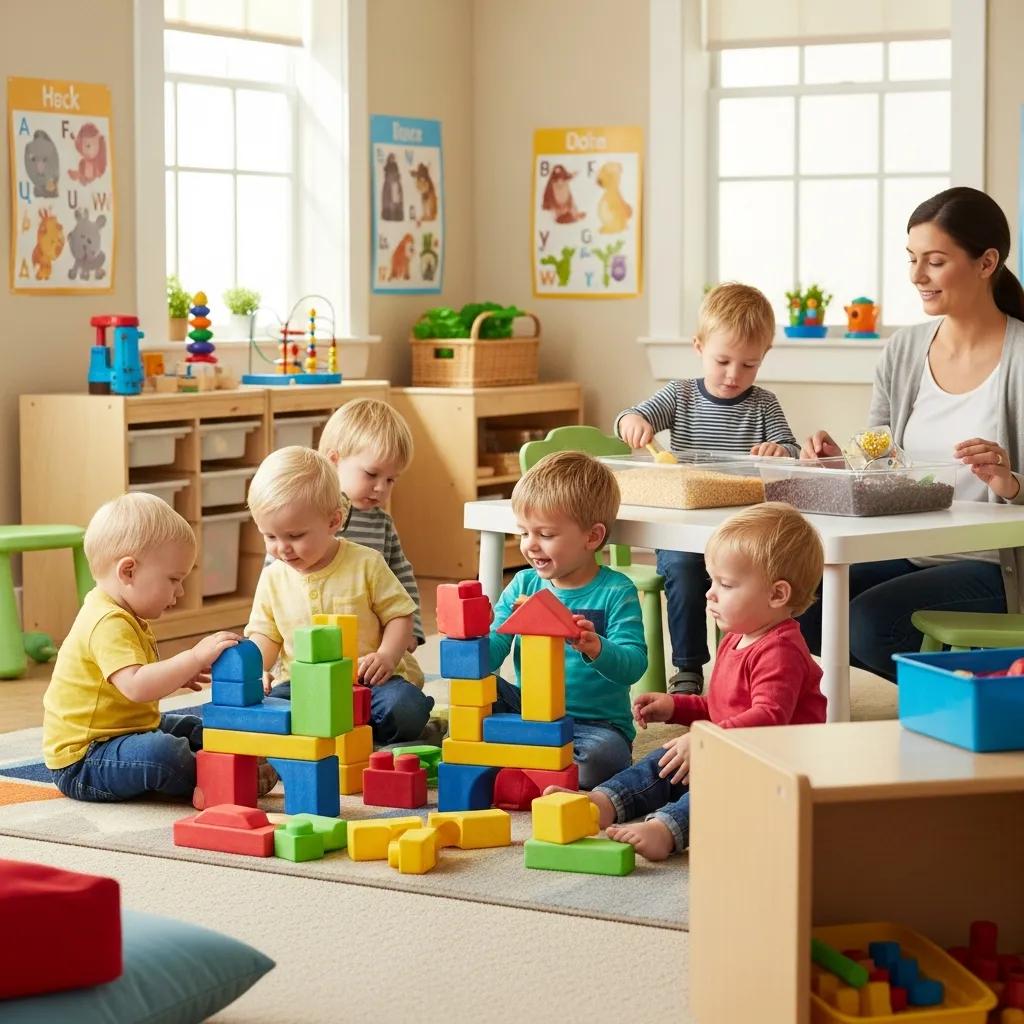
Discover the Best Early Preschool Program for Ages 2-3
Early Preschool Program for Ages 2-3: Comprehensive Guide to Toddler Learning and Development

Early preschool education plays a crucial role in children's development, particularly for toddlers aged 2 to 3 years. During these formative years, children undergo significant growth across various domains, including social, emotional, cognitive, and physical aspects. Understanding the early preschool program for this age group is fundamental for parents and educators alike, as it lays the groundwork for lifelong learning experiences. This article will explore key developmental milestones, effective curricula, engaging learning activities, and ways parents can foster their child's readiness for preschool. By delving into the distinct components of early childhood education, we aim to provide valuable insights into nurturing young learners during this pivotal stage.
What Are Key Developmental Milestones for Toddlers Ages 2 and 3?
During the ages of 2 and 3, toddlers experience rapid development, manifesting various key milestones across several domains. These milestones include physical, social, emotional, and language skills essential for overall growth. Understanding these milestones helps caregivers and educators to provide appropriate support and interventions as needed.
Which Social and Emotional Skills Should Toddlers Develop?

Social and emotional milestones are vital as toddlers learn to navigate their feelings and relationships. Key skills include:
- Recognizing Emotions: Children start to identify their own emotions and those of others, helping them to develop empathy.
- Sharing and Taking Turns: Learning to share toys and take turns fosters cooperation and social interactions.
- Self-Regulation: Developing self-control and the ability to express emotions appropriately supports positive social experiences.
These foundational skills create lasting impacts on future social interactions, making them critical areas of focus in early education.
For more insight into measuring development in young children, consider further research into assessment tools used by professionals.
Measures for Infant and Toddler Social-Emotional Development
Several measures of infant and toddler social-emotional development have been developed are the Ages and Stages Questionnaires: Social-Emotional—2,
Infant-Toddler Social and Parent report measures of infant and toddler social-emotional development: a systematic review, M Pontoppidan, 2017
How Do Language and Cognitive Milestones Emerge in Early Preschoolers?
Language and cognitive milestones flourish remarkably during these years. For toddlers, effective communication is crucial and sets the stage for later literacy skills. Notable milestones include:
- Word Combinations: Toddlers begin to form simple sentences, indicating their thoughts and needs.
- Cognitive Concepts: Children show awareness of numbers, colors, and shapes, which are integral for problem-solving tasks.
- Problem-Solving Engagement: Participation in age-appropriate games promotes critical thinking and cognitive flexibility.
These milestones highlight the relationship between language development and cognitive growth, emphasizing the need for rich language exposure and engagement in educational settings.
How Is the Infant Toddler Preschool Curriculum Designed for Holistic Development?
A thoughtfully crafted curriculum plays a central role in supporting holistic development for toddlers. The design of such curricula is aimed at fostering growth in social, emotional, cognitive, and physical domains through intentional activities.
What Role Does Play-Based Learning Play in Early Childhood Education?
Play-based learning stands at the heart of early childhood education, serving as a mechanism through which toddlers explore and understand their world. Key aspects include:
- Engagement and Enjoyment: Playful activities capture children's interest, making learning enjoyable and effective.
- Cognitive and Social Benefits: Through play, children develop problem-solving skills and social interactions, vital for learning cooperation and teamwork.
- Developmental Goals: Play activities are structured around developmental goals, ensuring a balanced growth approach.
This method underscores the significance of play in establishing a solid foundation for lifelong learning and holistic development.
Understanding these benchmarks of social-emotional growth is crucial for educators and parents to support holistic development in young children.
Developmental Milestones of Social-Emotional Growth in Children
Given the crucial nature of social-emotional development, the first aim of this paper is to describe and enumerate developmental milestones for five dimensions that have previously
Assessing social-emotional development in children from a longitudinal perspective, SA Denham, 2009
Which Curriculum Elements Support Social and Emotional Growth?

A well-rounded curriculum focuses not only on academic skills but also emphasizes social and emotional development. Important curriculum components include:
- Empathy Activities: Engaging in tasks that encourage children to express feelings helps in fostering emotional understanding.
- Social Interaction Settings: Classrooms designed for group activities promote healthy interaction and cooperation among peers.
- Educator Guidance: Teachers equipped with strategies to support emotional growth play a vital role in enhancing students' resilience and relationship-building skills.
By prioritizing these elements, preschool programs better prepare children for social interactions and emotional management throughout their lives.
What Are Effective Toddler Early Learning Activities for Ages 2-3?
Effective activities are crucial in enriching the learning experience for toddlers. Such activities should aim to promote language acquisition, physical development, and overall learning engagement.
Which Activities Promote Language Acquisition and Communication Skills?
Language-rich activities are essential for toddlers as they begin to expand their vocabulary. Key activities include:
- Storytime and Interaction: Reading aloud not only develops language skills but also encourages parent-child bonding through shared narratives.
- Rhyming Games and Songs: Fun and rhythmic activities enhance phonetic awareness, making language learning engaging.
- Creative Storytelling: Encouraging toddlers to create their own stories fosters imagination and expressive skills.
These activities promote an engaging environment that stimulates curiosity and language development.
How Do Sensory and Motor Skill Activities Support Physical Development?
Physical and sensory experiences are vital for toddlers as they learn about their environment. Effective activities might include:
- Exploring Textures: Engaging with various materials stimulates sensory processing and invites curiosity.
- Motor Skill Challenges: Activities like climbing and balancing not only improve coordination but also strengthen muscles.
- Physical Play: Games that involve running, jumping, and playing with balls promote overall physical health and development.
By incorporating these hands-on experiences in early learning environments, educators can support essential motor skill development.
How Can Parents Support Their Toddler’s Preschool Readiness Skills at Home?
Parents play a significant role in preparing their toddlers for preschool by fostering various readiness skills in the home environment. Practical tips can make a meaningful impact on your child’s development.
What Parental Tips Enhance Social and Emotional Development?
Parents can nurture their child's social and emotional skills through specific practices, such as:
- Modeling Emotional Management: Demonstrating how to express and manage emotions provides children with behavioral examples to emulate.
- Creating a Nurturing Environment: Establishing a supportive home atmosphere encourages toddlers to share their feelings and experiences.
- Promoting Group Activities: Encouraging playdates allows toddlers to practice sharing, cooperation, and problem-solving skills.
These strategies help build a strong emotional foundation that directly influences children's social capabilities.
Parents are essential partners in preschool programs, with their engagement being a strong predictor of a child's social-emotional readiness and successful transition to formal schooling.
Preschool Programs: Supporting Social-Emotional Readiness and Parental Engagement
Parents play a central role in supporting the early learning that positions young children for success when they enter formal schooling. For this reason, efforts to engage families in meaningful collaboration is a long-standing goal of high-quality early childhood education (ECE). Family–school engagement can take multiple forms; in this review, we focus on universal preschool-based outreach strategies that help parents support growth in child social-emotional and self-regulation competencies and prepare them for the transition into formal schooling.
Preschool programs that help families promote child social-emotional school readiness: Promising new strategies, KL Bierman, 2023
Which Strategies Foster Language and Cognitive Skills Outside Preschool?
Cognitive development continues at home through engaging activities and conversations. Strategies include:
- Engaging in Conversations: Talking with children during everyday tasks encourages language growth and cognitive awareness.
- Using Everyday Objects: Involving children in discussions about objects around them reinforces their understanding of the world.
- Puzzle and Problem-Solving Scenarios: Providing puzzles or simple challenges fosters critical thinking and cognitive skills.
By actively involving children in stimulating activities, parents support essential learning opportunities outside the preschool environment.
What Safety and Health Guidelines Should Preschool Programs Follow for Toddlers?
Safety and health are paramount in creating a secure environment for infants and toddlers in preschool settings. Adopting stringent guidelines ensures a safe learning atmosphere.
How Are Nutrition and Immunization Standards Maintained in Childcare Centers?
Childcare centers maintain rigorous standards to support children's health through nutrition and immunization practices, including:
- Nutritious Meal Provisions: Offering balanced meals that adhere to dietary guidelines promotes healthy growth in toddlers.
- Vaccination Requirements: Ensuring children meet vaccination schedules helps limit the spread of diseases in educational settings.
- Health Checks for Child Admissions: Routine health assessments help identify any health issues early, establishing a proactive approach to wellness.
These measures reflect the commitment to maintaining high health standards, crucial for the overall well-being of children in preschool environments.
What Measures Ensure a Safe and Inclusive Preschool Environment?
Preschool programs must implement comprehensive safety measures to foster an inclusive environment. Key practices include:
- Emergency Protocol Training: Training staff on emergency procedures ensures preparedness for various situations.
- Accessible Facility Designs: Creating spaces accessible to all children, including those with disabilities, promotes inclusivity.
- Diversity and Inclusion Practices: Implementing practices that embrace diversity helps children learn about acceptance and respect for others.
By emphasizing safety and inclusion, preschool programs can provide nurturing and supportive environments that cater to all children, irrespective of their background.