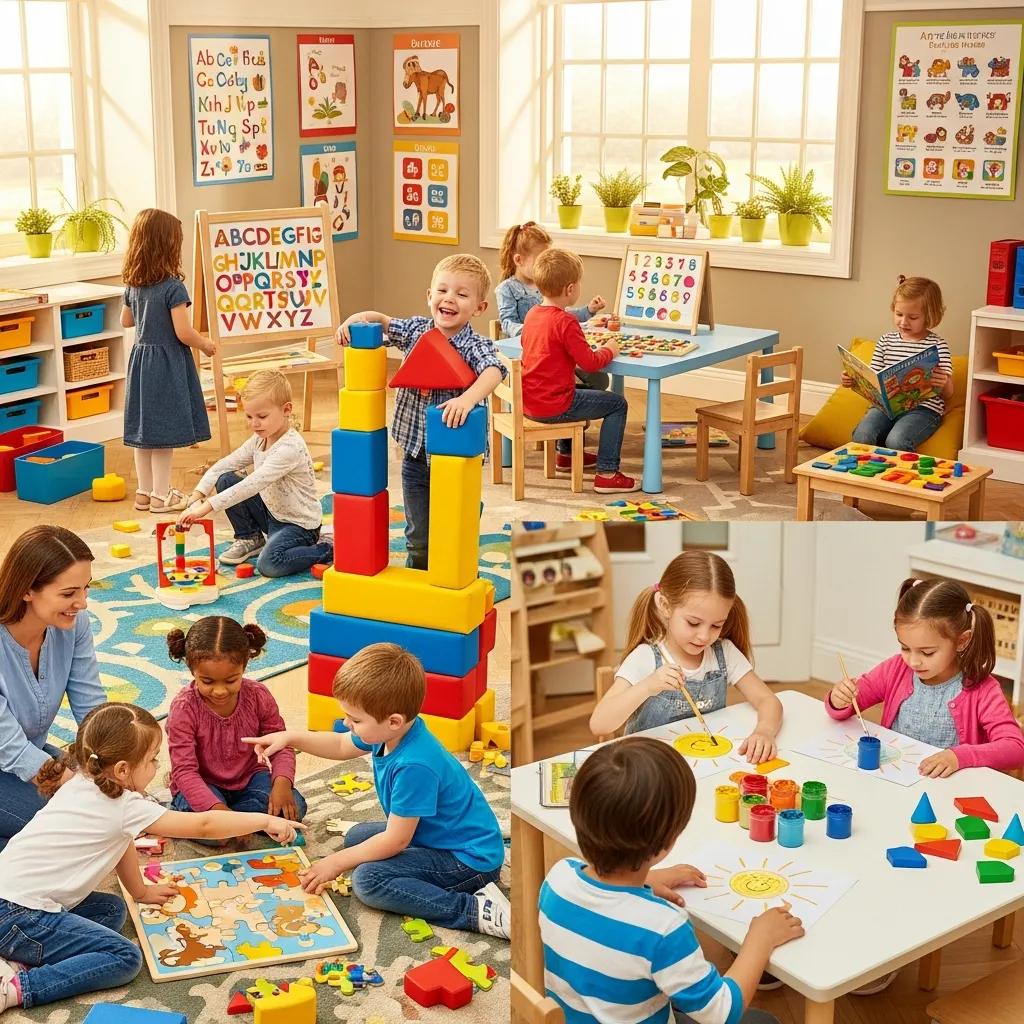
Comprehensive Preschool Program for Ages 3-4: Start Early!
Comprehensive Preschool Program for Ages 3-4: Supporting Early Childhood Education and Development
Looking for a preschool for your child?
Schedule a tour to see if our program is the right fit.

Early childhood education plays a critical role in shaping the development of young children, particularly those aged 3 to 4. At this stage, children are rapidly acquiring essential skills that will form the foundation for future learning and social interactions. In this comprehensive guide, we will explore key developmental milestones, effective Pre K curriculum components, and activities that foster school readiness. This article will provide insights for parents and educators on how to support holistic growth in preschoolers, including cognitive, social, and emotional development. With current evidence highlighting the importance of early interventions, understanding these aspects can significantly impact a child's educational journey. Little Lords and Ladies Learning Academy has designed this preschool program for ages 3-4 to ensure every child receives personalized attention and a strong educational foundation.
What Are the Key Developmental Milestones for Preschoolers Ages 3 to 4?
Children aged 3 to 4 years undergo substantial development in various areas. This includes cognitive milestones like the acquisition of language and memory skills, alongside physical milestones where fine and gross motor skills are honed through play. Additionally, social and emotional skills, such as sharing and expressing emotions, begin to take shape, forming the basis for future relationships and self-regulation.
Want a simple checklist to help you choose the right preschool?
Contact us and we’ll send you one.
How Do Cognitive Skills Develop During Preschool Years?

Cognitive skills in preschoolers evolve significantly as they engage in play-based activities that stimulate learning. Children exhibit rapid language acquisition as they are introduced to new vocabulary and sentence structures through conversations and storytelling. The role of guided discovery during structured play enhances their understanding of the world around them, fostering critical thinking. This early enrichment is pivotal, as it lays the groundwork for their literacy skills, crucial for their academic future.
Which Social and Emotional Skills Should Children Acquire by Age 4?
By age 4, children typically develop important social and emotional skills. Understanding their own emotions and those of others becomes essential as they learn to navigate their interactions with peers. Developing friendships and practicing sharing are significant milestones. Additionally, children begin to acquire conflict resolution skills, which help them manage disagreements and cooperate in group settings. Encouragement from parents and caregivers plays a vital role in supporting these skills, aiding children's emotional growth and self-awareness.
Strategies for Preschool Social-Emotional Development
1. Social and emotional development (SED) in early childhood years has a crucial role in children’s holistic development and becomes a prerequisite for their academic learning. This study focused on early childhood educators’ strategies promoting children’s SED in two different cultural contexts. Strategies to support social and emotional development of preschool children in Turkey and the United States, N Alaçam, 2026
How Does a Pre K Curriculum Support Holistic Growth in 3- and 4-Year-Olds?
A well-structured Pre K curriculum is designed to promote holistic growth in young children. Effective programs incorporate play-based learning experiences that nurture cognitive, social, and emotional development. By providing a safe and engaging environment, preschools can enhance children's learning and readiness for future educational settings.
What Are Essential Components of an Early Childhood Education Curriculum?
Essential components of an effective early childhood education curriculum include a balanced approach that incorporates language and literacy development, physical activity, and social-emotional strategies. Activities should be tailored to meet the diverse needs of all children, ensuring accessibility and inclusivity. Language-rich environments, combined with movement-based activities, significantly enhance children's overall development, allowing them to thrive in a preschool setting.
How Do Preschool Learning Activities Foster School Readiness?
Preschool learning activities are fundamental in preparing children for the structured environment of schools. Engaging in sensory and motor skill activities builds physical development that is critical for tasks like writing and self-care. Furthermore, promoting independence in learning allows children to take ownership of their educational experiences. Practical applications, such as role-playing real-life scenarios, further bridge the gap between home and school, cultivating readiness for future challenges.
Which School Readiness Activities Benefit Preschoolers Ages 3 to 4?
Several school readiness activities effectively prepare preschoolers for the transition to formal schooling. These include engaging motor skills development, fostering early literacy through language activities, and encouraging play that inspires creativity and problem-solving.
What Sensory and Motor Skill Activities Promote Physical Development?
Activities focusing on sensory and motor skills are vital for physical development during preschool years. For instance, fine motor skill activities, such as cutting with scissors and building with blocks, foster dexterity and coordination. Similarly, gross motor skill enhancement through activities like jumping, running, and dancing promotes overall health and physical fitness. Integrating sensory experiences into these activities allows children to explore different materials, enhancing their learning and engagement.
How Can Literacy and Language Activities Support Early Literacy Preschool Skills?
Literacy and language activities are integral in cultivating early literacy skills among preschoolers. Storytelling serves as a dynamic tool for engagement, helping boost vocabulary development and comprehension. Phonics activities can introduce children to the sounds of letters, supporting their reading skills from an early age. Additionally, incorporating vocabulary-building exercises through games and everyday conversations can solidify language foundations, enabling success as they advance in school.
How Can Parents and Educators Support Preschool Social Skills Development?
Parents and educators play a crucial role in fostering social skills development in preschoolers. By implementing targeted practices, they can encourage kindness, respect, and inclusivity among children, setting a strong foundation for future interpersonal relationships.
What Practices Encourage Kindness, Respect, and Inclusivity in Preschoolers?

To nurture kindness and respect, adults can model appropriate behavior, demonstrating empathy and compassion in their interactions. Story-based lessons that emphasize positive values can be effective, prompting discussions around character development and moral lessons. Group activities that require collaboration and shared responsibilities foster inclusivity, teaching children the importance of teamwork and respect for diverse perspectives.
Which Strategies Help Manage Emotional Growth and Early Conflict Resolution?
Managing emotional growth and facilitating early conflict resolution is essential in preschool settings. Teachers and parents should encourage children to express their feelings openly, helping them to identify and articulate their emotions. Techniques such as role-playing can be valuable in teaching children how to navigate conflicts, allowing them to practice resolution strategies in a safe environment. This proactive approach empowers children to deal with challenging situations constructively.
What Resources and Assessments Aid Monitoring of Preschool Growth for Ages 3-4?
Monitoring preschool growth involves using various resources and assessments designed specifically for ages 3 to 4. These tools help track developmental milestones and provide insights into children’s progress.
How to Use Developmental Milestone Charts to Track Progress?
Developmental milestone charts serve as essential tools for parents and educators to track children's growth effectively. By interpreting milestone achievements, caregivers can identify areas that need attention or reinforcement. Regular check-ins create opportunities for targeted support, ensuring children are progressing appropriately in their skills and competencies. Incorporating actionable steps based on these milestones establishes a clear growth pathway.
Where to Find Parent and Educator Materials for Ongoing Support?
A plethora of resources is available for parents and educators seeking materials to support preschool development. Online platforms often provide access to printable worksheets, educational games, and interactive activities tailored for young children. Community resources, including local library programs and workshops, can supplement learning opportunities. Additionally, books and articles dedicated to early childhood education offer valuable insights and strategies for ongoing support.
Continue Your Journey With Us
Our preschool program for ages 3-4 at Little Lords and Ladies Learning Academy builds on the strong foundation laid in our early preschool program for ages 2-3. We believe that choosing the right preschool program matters for every child's future success. Explore how our curriculum prepares children for kindergarten and beyond.
Ready to take the next step?
Schedule a tour today and see how our preschool helps children learn, grow, and feel confident.